The Revolution of Smart Agriculture: The Importance of Technology in Farming
In today’s rapidly evolving world, the agricultural industry is undergoing a significant transformation thanks to the integration of cutting-edge technology. The emergence of smart agriculture, also known as precision agriculture, is revolutionizing the way farmers cultivate crops and raise livestock. This article will delve into the crucial role of technology in agriculture, with a specific focus on the use of drones as a game-changing tool in the field.The Importance of Technology in AgricultureTechnology has become an indispensable ally for modern farmers, enabling them to optimize their operations, increase productivity, and minimize environmental impact. From advanced machinery to data analytics software, the agricultural sector is embracing innovation to meet the growing demands of a rapidly expanding global population.One of the most groundbreaking technologies in agriculture is the use of drones. These unmanned aerial vehicles (UAVs) have the potential to revolutionize farming practices by providing farmers with real-time data and insights that were previously inaccessible. Drones are equipped with high-resolution cameras, sensors, and GPS technology, allowing farmers to monitor crops, assess soil conditions, and detect pests and diseases with unprecedented accuracy.Drones: The New Tool in the FieldDrones are rapidly gaining popularity in the agricultural sector due to their versatility and efficiency. These aerial vehicles can cover large areas of farmland in a fraction of the time it would take traditional methods, such as manual inspections or satellite imagery. By flying over the fields, drones can capture detailed images and data that help farmers make informed decisions about irrigation, fertilization, and pest control.There are several types of drones used in agriculture, each with its own set of capabilities and applications. Fixed-wing drones are ideal for covering large expanses of land quickly and efficiently, while multi-rotor drones are better suited for capturing high-resolution images and navigating tight spaces. Additionally, hybrid drones combine the benefits of both fixed-wing and multi-rotor designs, offering increased flexibility and endurance.Benefits of Drones in AgricultureThe use of drones in agriculture offers a wide range of benefits for farmers, including:Improved Efficiency: Drones can cover large areas of farmland in a fraction of the time it would take traditional methods, allowing farmers to monitor crops more frequently and accurately.Cost Savings: By identifying issues such as pest infestations or nutrient deficiencies early on, farmers can take proactive measures to mitigate potential losses and reduce input costs.Precision Agriculture: Drones enable farmers to apply inputs, such as water and fertilizers, with pinpoint accuracy, resulting in higher yields and reduced environmental impact.Data-Driven Decision Making: The data collected by drones can be analyzed to identify trends, patterns, and anomalies, helping farmers optimize their operations and maximize productivity.Challenges and Limitations of Using Drones in AgricultureWhile drones offer numerous benefits for farmers, there are also challenges and limitations that need to be addressed:Regulatory Hurdles: The use of drones in agriculture is subject to strict regulations and guidelines, which can vary from country to country. Farmers must comply with airspace restrictions, privacy laws, and licensing requirements to operate drones legally.Cost of Implementation: Investing in drones and the necessary equipment, such as cameras and sensors, can be costly for small-scale farmers. Additionally, training personnel to operate drones effectively requires time and resources.Data Management: The sheer volume of data collected by drones can be overwhelming for farmers, who may struggle to analyze and interpret the information effectively. Integrating drone data with existing farm management systems can also be challenging.The Future of Smart Agriculture: Perspectives and TrendsDespite the challenges and limitations, the future of smart agriculture looks promising, with drones playing a key role in driving innovation and sustainability in the sector. As technology continues to advance, drones are expected to become more sophisticated and autonomous, enabling farmers to make even more informed decisions and optimize their operations further.In conclusion, the integration of drones and other advanced technologies in agriculture represents a significant shift towards a more efficient, sustainable, and productive farming industry. By embracing change and staying abreast of the latest developments in smart agriculture, farmers can position themselves for success in an increasingly competitive and dynamic environment. The future of agriculture is indeed bright, with drones leading the way towards a more prosperous and sustainable future for the industry.
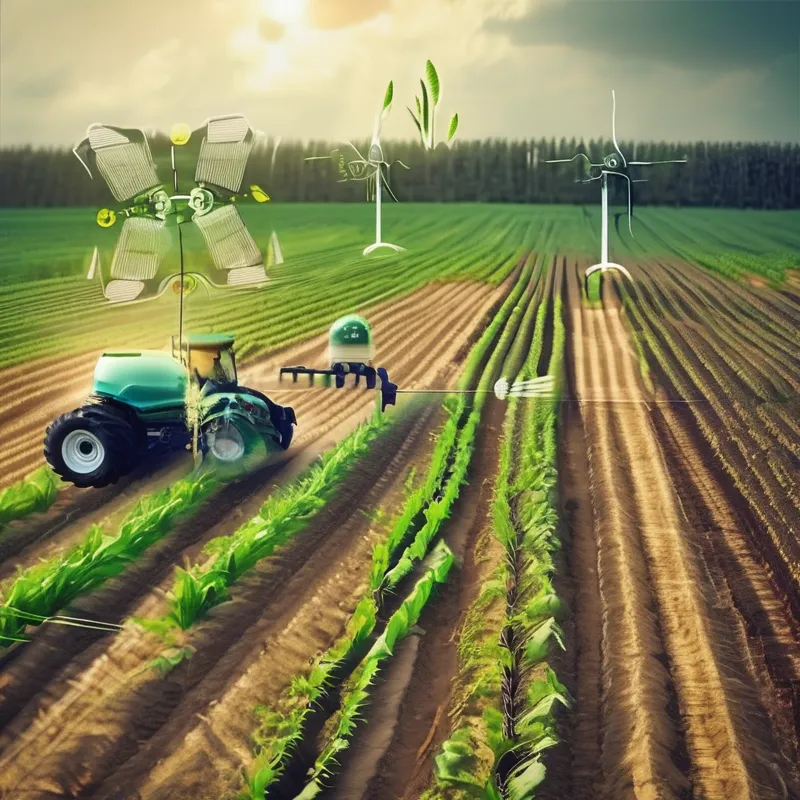
In today’s rapidly evolving world, the agricultural industry is undergoing a significant transformation thanks to the integration of cutting-edge technology. The emergence of smart agriculture, also known as precision agriculture, is revolutionizing the way farmers cultivate crops and raise livestock. This article will delve into the crucial role of technology in agriculture, with a specific focus on the use of drones as a game-changing tool in the field.
The Importance of Technology in Agriculture
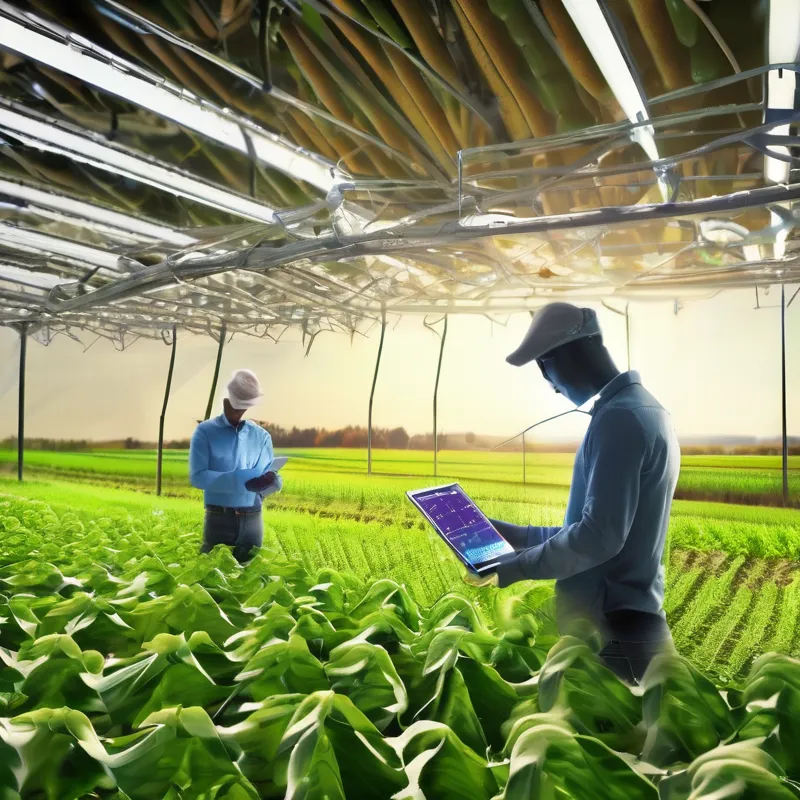
Technology has become an indispensable ally for modern farmers, enabling them to optimize their operations, increase productivity, and minimize environmental impact. From advanced machinery to data analytics software, the agricultural sector is embracing innovation to meet the growing demands of a rapidly expanding global population.
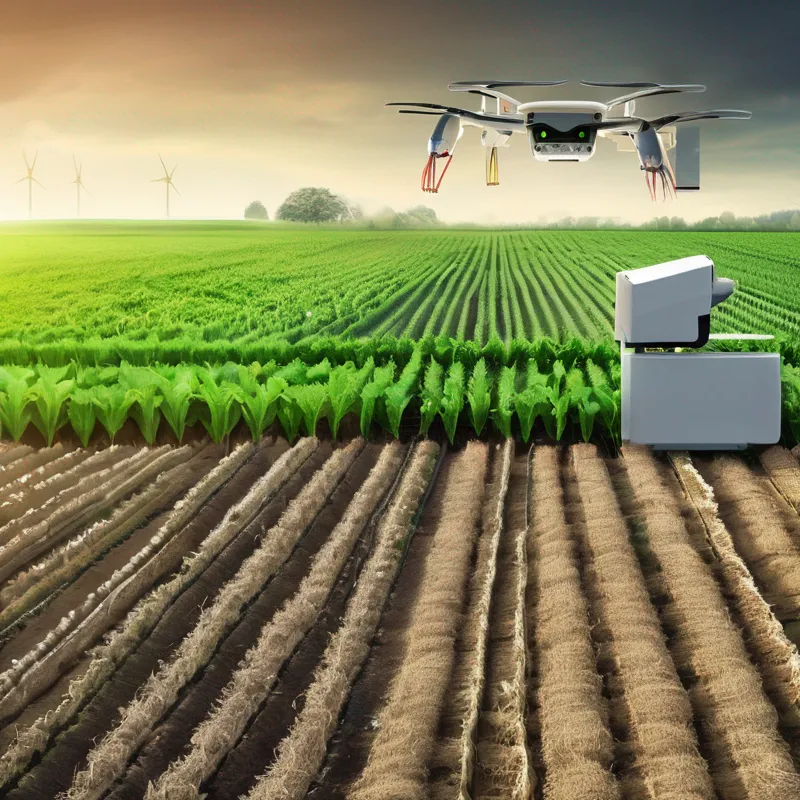
One of the most groundbreaking technologies in agriculture is the use of drones. These unmanned aerial vehicles (UAVs) have the potential to revolutionize farming practices by providing farmers with real-time data and insights that were previously inaccessible. Drones are equipped with high-resolution cameras, sensors, and GPS technology, allowing farmers to monitor crops, assess soil conditions, and detect pests and diseases with unprecedented accuracy.
Drones: The New Tool in the Field
Drones are rapidly gaining popularity in the agricultural sector due to their versatility and efficiency. These aerial vehicles can cover large areas of farmland in a fraction of the time it would take traditional methods, such as manual inspections or satellite imagery. By flying over the fields, drones can capture detailed images and data that help farmers make informed decisions about irrigation, fertilization, and pest control.
There are several types of drones used in agriculture, each with its own set of capabilities and applications. Fixed-wing drones are ideal for covering large expanses of land quickly and efficiently, while multi-rotor drones are better suited for capturing high-resolution images and navigating tight spaces. Additionally, hybrid drones combine the benefits of both fixed-wing and multi-rotor designs, offering increased flexibility and endurance.
Benefits of Drones in Agriculture
The use of drones in agriculture offers a wide range of benefits for farmers, including:
- Improved Efficiency: Drones can cover large areas of farmland in a fraction of the time it would take traditional methods, allowing farmers to monitor crops more frequently and accurately.
- Cost Savings: By identifying issues such as pest infestations or nutrient deficiencies early on, farmers can take proactive measures to mitigate potential losses and reduce input costs.
- Precision Agriculture: Drones enable farmers to apply inputs, such as water and fertilizers, with pinpoint accuracy, resulting in higher yields and reduced environmental impact.
- Data-Driven Decision Making: The data collected by drones can be analyzed to identify trends, patterns, and anomalies, helping farmers optimize their operations and maximize productivity.
Challenges and Limitations of Using Drones in Agriculture
While drones offer numerous benefits for farmers, there are also challenges and limitations that need to be addressed:
- Regulatory Hurdles: The use of drones in agriculture is subject to strict regulations and guidelines, which can vary from country to country. Farmers must comply with airspace restrictions, privacy laws, and licensing requirements to operate drones legally.
- Cost of Implementation: Investing in drones and the necessary equipment, such as cameras and sensors, can be costly for small-scale farmers. Additionally, training personnel to operate drones effectively requires time and resources.
- Data Management: The sheer volume of data collected by drones can be overwhelming for farmers, who may struggle to analyze and interpret the information effectively. Integrating drone data with existing farm management systems can also be challenging.
The Future of Smart Agriculture: Perspectives and Trends
Despite the challenges and limitations, the future of smart agriculture looks promising, with drones playing a key role in driving innovation and sustainability in the sector. As technology continues to advance, drones are expected to become more sophisticated and autonomous, enabling farmers to make even more informed decisions and optimize their operations further.
In conclusion, the integration of drones and other advanced technologies in agriculture represents a significant shift towards a more efficient, sustainable, and productive farming industry. By embracing change and staying abreast of the latest developments in smart agriculture, farmers can position themselves for success in an increasingly competitive and dynamic environment. The future of agriculture is indeed bright, with drones leading the way towards a more prosperous and sustainable future for the industry.