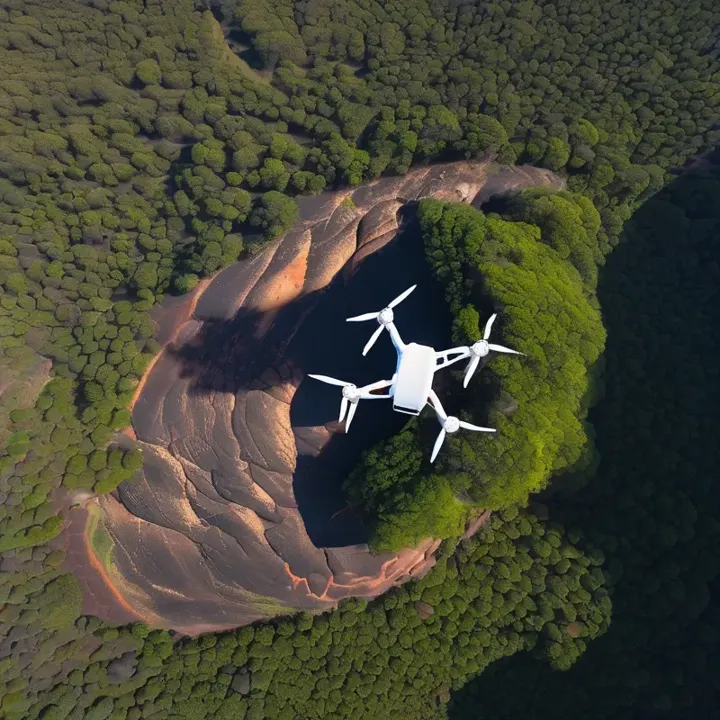
The Revolution of Drones: A Comprehensive Guide
IntroductionIn recent years, drones have become an integral part of our technological landscape, revolutionizing various industries and changing the way we perceive aerial photography, surveillance, and even delivery services. In this article, we will delve into the world of drones, exploring their history, types, features, benefits, challenges, regulations, and future trends.What are Drones and How They Revolutionized TechnologyDrones, also known as Unmanned Aerial Vehicles (UAVs), are aircraft operated without a human pilot on board. They are controlled remotely by a pilot or autonomously by onboard computers. Drones have revolutionized technology by providing a cost-effective and efficient way to capture aerial footage, monitor landscapes, and even deliver goods in a fast and secure manner.A Brief History of the Evolution of DronesThe concept of drones dates back to the early 20th century, with the first known use of unmanned aerial vehicles for military purposes during World War I. Over the years, drones have evolved from simple reconnaissance aircraft to sophisticated machines equipped with advanced cameras, sensors, and navigation systems.The Different Types of Drones Available in the MarketDrones for Recreational UseRecreational drones are designed for hobbyists and enthusiasts who enjoy flying drones for fun and capturing aerial photos and videos. These drones are typically lightweight, easy to maneuver, and equipped with high-definition cameras for capturing stunning footage.Drones for Professional UseProfessional drones are used for commercial purposes such as aerial photography, surveying, mapping, and inspection. These drones are equipped with advanced features like GPS navigation, obstacle avoidance sensors, and high-resolution cameras for professional-grade results.Military Drones and Their ApplicationsMilitary drones, also known as Unmanned Combat Aerial Vehicles (UCAVs), are used by the military for surveillance, reconnaissance, and combat missions. These drones are equipped with weapons systems, infrared cameras, and stealth technology for covert operations.The Main Features and Functionalities of DronesFlight Capability and Battery AutonomyOne of the key features of drones is their ability to fly autonomously for extended periods. The flight time of a drone depends on its battery capacity, with some drones capable of flying for up to 30 minutes on a single charge.Camera Quality and Filming CapabilitiesThe quality of a drone’s camera plays a crucial role in capturing high-resolution photos and videos. Professional drones are equipped with 4K cameras, gimbals for stabilization, and intelligent shooting modes for cinematic results.Remote Control and Navigation SystemsDrones are controlled remotely using a transmitter or smartphone app. Advanced drones feature GPS navigation, flight modes like Follow Me and Waypoints, and obstacle avoidance sensors for safe and precise flying.The Benefits and Applications of Drones in Various SectorsPrecision Agriculture and Crop MonitoringDrones are used in precision agriculture for monitoring crop health, detecting pests and diseases, and optimizing irrigation and fertilization. Drones equipped with multispectral cameras can capture detailed images of farmland for data analysis.Aerial Photography and FilmingDrones have revolutionized the field of aerial photography and filmmaking by providing filmmakers and photographers with a unique perspective from the sky. Drones can capture breathtaking aerial shots of landscapes, events, and real estate properties.Fast and Secure DeliveriesCompanies like Amazon and UPS are exploring the use of drones for fast and secure deliveries of packages. Drone delivery services can reduce delivery times, lower costs, and reach remote areas with limited access to traditional transportation.The Challenges and Regulations for the Use of DronesCurrent Legislation in BrazilIn Brazil, the use of drones is regulated by the National Civil Aviation Agency (ANAC) and the Department of Airspace Control (DECEA). Pilots must register their drones, obtain a pilot’s license, and comply with specific rules and restrictions for safe flying.Flight Restrictions and No-Fly ZonesDrone pilots must adhere to flight restrictions and avoid flying in restricted areas such as airports, military bases, and national parks. Violating airspace regulations can result in fines, confiscation of the drone, or legal consequences.Safety and Privacy ConcernsSafety is a major concern when flying drones, as collisions with other aircraft or objects can lead to accidents and injuries. Pilots must follow safety guidelines, maintain visual line of sight with the drone, and respect the privacy of individuals when capturing images or videos.The Future of Drones and Market TrendsNew Technologies and InnovationsThe future of drones is bright, with advancements in technology leading to smaller, more powerful drones with longer flight times and enhanced features. Innovations like AI-powered drones, swarming technology, and drone delivery services are shaping the future of the industry.Integration of Drones with AI and IoTDrones are increasingly being integrated with artificial intelligence (AI) and the Internet of Things (IoT) for autonomous flying, data analysis, and real-time communication. AI-powered drones can perform complex tasks like object recognition, route planning, and decision-making.Prospects for Commercial and Personal Use of DronesThe commercial and personal use of drones is expected to grow exponentially in the coming years, with industries like agriculture, construction, and logistics adopting drones for efficiency and cost savings. Personal drones for photography, racing, and recreational flying are also gaining popularity among consumers.ConclusionIn conclusion, drones have had a profound impact on society and the economy, transforming industries, creating new opportunities, and pushing the boundaries of innovation. As drones continue to evolve and become more accessible, it is essential to consider the implications of their use and ensure that regulations and safety measures are in place to protect individuals and property.Final Considerations on the Potential of Drones for the FutureAs we look ahead to the future of drones, it is clear that these versatile aircraft will play a crucial role in shaping our world and driving technological advancements. With the right regulations, investments in research and development, and a focus on safety and privacy, drones have the potential to revolutionize various sectors and improve our quality of life in the years to come.on of Drones: A Comprehensive Guide
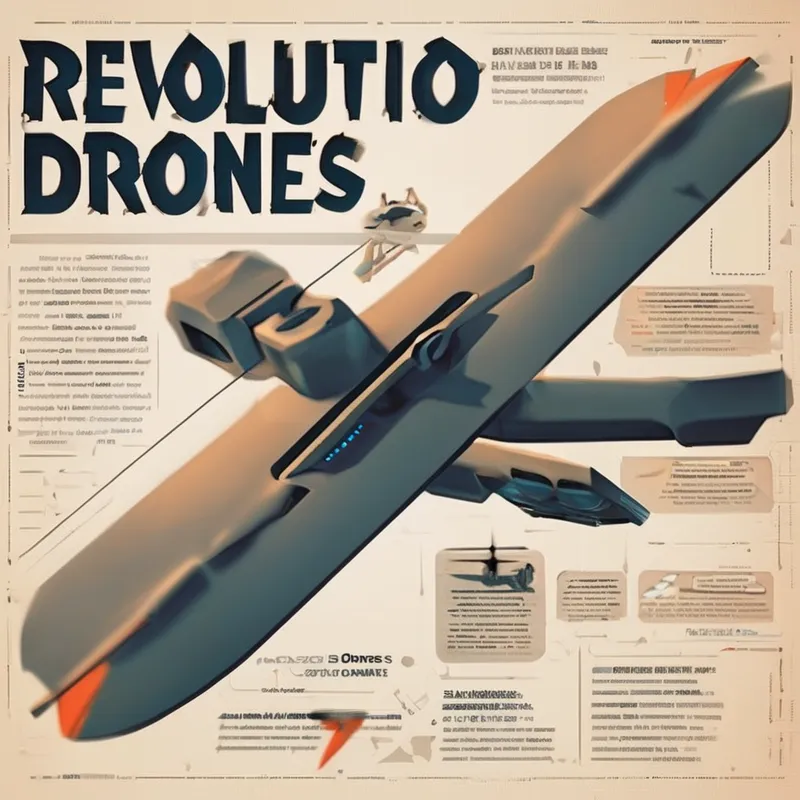
In recent years, drones have become an integral part of our technological landscape, revolutionizing various industries and changing the way we perceive aerial photography, surveillance, and even delivery services. In this article, we will delve into the world of drones, exploring their history, types, features, benefits, challenges, regulations, and future trends.
What are Drones and How They Revolutionized Technology
Drones, also known as Unmanned Aerial Vehicles (UAVs), are aircraft operated without a human pilot on board. They are controlled remotely by a pilot or autonomously by onboard computers. Drones have revolutionized technology by providing a cost-effective and efficient way to capture aerial footage, monitor landscapes, and even deliver goods in a fast and secure manner.
A Brief History of the Evolution of Drones
The concept of drones dates back to the early 20th century, with the first known use of unmanned aerial vehicles for military purposes during World War I. Over the years, drones have evolved from simple reconnaissance aircraft to sophisticated machines equipped with advanced cameras, sensors, and navigation systems.
The Different Types of Drones Available in the Market
Drones for Recreational Use
Recreational drones are designed for hobbyists and enthusiasts who enjoy flying drones for fun and capturing aerial photos and videos. These drones are typically lightweight, easy to maneuver, and equipped with high-definition cameras for capturing stunning footage.
Drones for Professional Use
Professional drones are used for commercial purposes such as aerial photography, surveying, mapping, and inspection. These drones are equipped with advanced features like GPS navigation, obstacle avoidance sensors, and high-resolution cameras for professional-grade results.
Military Drones and Their Applications
Military drones, also known as Unmanned Combat Aerial Vehicles (UCAVs), are used by the military for surveillance, reconnaissance, and combat missions. These drones are equipped with weapons systems, infrared cameras, and stealth technology for covert operations.
The Main Features and Functionalities of Drones
Flight Capability and Battery Autonomy
One of the key features of drones is their ability to fly autonomously for extended periods. The flight time of a drone depends on its battery capacity, with some drones capable of flying for up to 30 minutes on a single charge.
Camera Quality and Filming Capabilities
The quality of a drone’s camera plays a crucial role in capturing high-resolution photos and videos. Professional drones are equipped with 4K cameras, gimbals for stabilization, and intelligent shooting modes for cinematic results.
Remote Control and Navigation Systems
Drones are controlled remotely using a transmitter or smartphone app. Advanced drones feature GPS navigation, flight modes like Follow Me and Waypoints, and obstacle avoidance sensors for safe and precise flying.
The Benefits and Applications of Drones in Various Sectors
Precision Agriculture and Crop Monitoring
Drones are used in precision agriculture for monitoring crop health, detecting pests and diseases, and optimizing irrigation and fertilization. Drones equipped with multispectral cameras can capture detailed images of farmland for data analysis.
Aerial Photography and Filming
Drones have revolutionized the field of aerial photography and filmmaking by providing filmmakers and photographers with a unique perspective from the sky. Drones can capture breathtaking aerial shots of landscapes, events, and real estate properties.
Fast and Secure Deliveries
Companies like Amazon and UPS are exploring the use of drones for fast and secure deliveries of packages. Drone delivery services can reduce delivery times, lower costs, and reach remote areas with limited access to traditional transportation.
The Challenges and Regulations for the Use of Drones
Current Legislation in Brazil
In Brazil, the use of drones is regulated by the National Civil Aviation Agency (ANAC) and the Department of Airspace Control (DECEA). Pilots must register their drones, obtain a pilot’s license, and comply with specific rules and restrictions for safe flying.
Flight Restrictions and No-Fly Zones
Drone pilots must adhere to flight restrictions and avoid flying in restricted areas such as airports, military bases, and national parks. Violating airspace regulations can result in fines, confiscation of the drone, or legal consequences.
Safety and Privacy Concerns
Safety is a major concern when flying drones, as collisions with other aircraft or objects can lead to accidents and injuries. Pilots must follow safety guidelines, maintain visual line of sight with the drone, and respect the privacy of individuals when capturing images or videos.
The Future of Drones and Market Trends
New Technologies and Innovations
The future of drones is bright, with advancements in technology leading to smaller, more powerful drones with longer flight times and enhanced features. Innovations like AI-powered drones, swarming technology, and drone delivery services are shaping the future of the industry.
Integration of Drones with AI and IoT
Drones are increasingly being integrated with artificial intelligence (AI) and the Internet of Things (IoT) for autonomous flying, data analysis, and real-time communication. AI-powered drones can perform complex tasks like object recognition, route planning, and decision-making.
Prospects for Commercial and Personal Use of Drones
The commercial and personal use of drones is expected to grow exponentially in the coming years, with industries like agriculture, construction, and logistics adopting drones for efficiency and cost savings. Personal drones for photography, racing, and recreational flying are also gaining popularity among consumers.
In conclusion, drones have had a profound impact on society and the economy, transforming industries, creating new opportunities, and pushing the boundaries of innovation. As drones continue to evolve and become more accessible, it is essential to consider the implications of their use and ensure that regulations and safety measures are in place to protect individuals and property.
Final Considerations on the Potential of Drones for the Future
As we look ahead to the future of drones, it is clear that these versatile aircraft will play a crucial role in shaping our world and driving technological advancements. With the right regulations, investments in research and development, and a focus on safety and privacy, drones have the potential to revolutionize various sectors and improve our quality of life in the years to come.